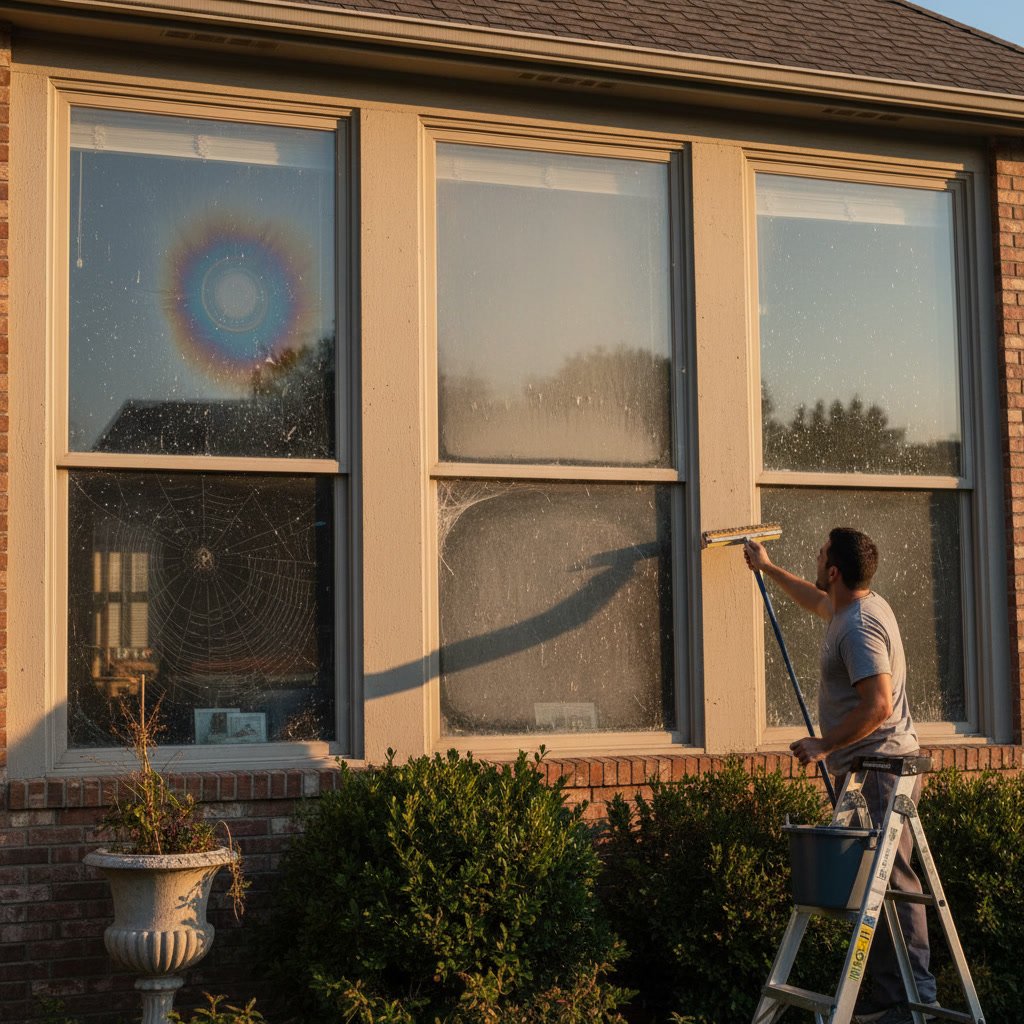

Temperature, humidity, wind, and precipitation all play a direct role in how well window cleaning solutions work and how long your windows stay clean. Understanding the relationship between weather window cleaning timing helps homeowners schedule service at the right time for streak-free, lasting results that last longer and look better.
Why Weather Timing Matters for Exterior Cleaning
Most homeowners don’t think twice about when to schedule exterior cleaning services. Yet the conditions on cleaning day can make the difference between windows that sparkle for months and glass that streaks before the technician even leaves your property.
Weather affects every step of the process. It changes how fast cleaning solutions evaporate, how dirt and debris behave on glass surfaces, and how long your results will last before environmental factors start degrading the finish again.
Temperature’s Role in Cleaning Performance
Heat and cold both create challenges for professional window cleaners. When temperatures climb above 85 degrees, cleaning solutions dry too quickly on glass. This rapid evaporation leaves behind residue and creates visible streaking, even when technicians use proper technique.
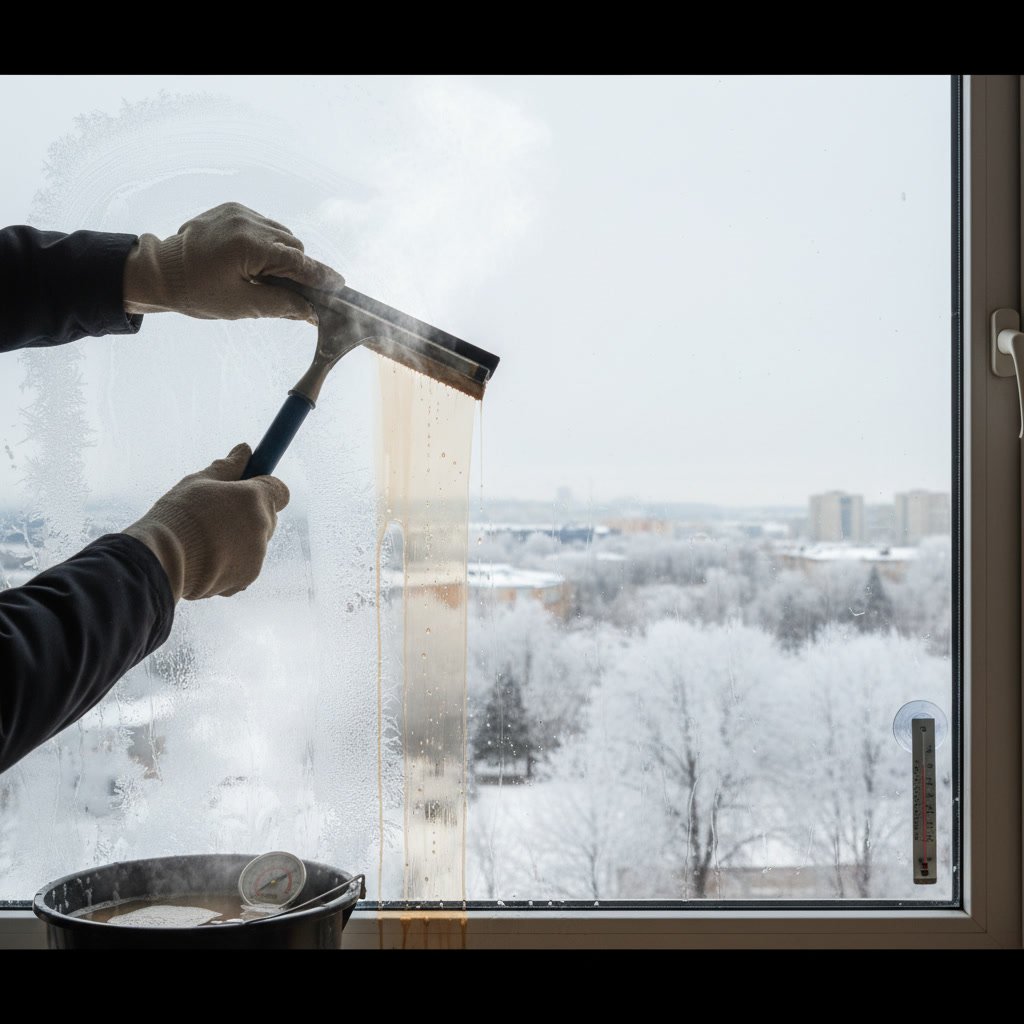
Cold weather below 40 degrees presents the opposite problem. Solutions don’t spread evenly, and water can freeze on the glass before wiping is complete. Professional-grade cleaners contain additives that lower the freezing point, but extreme cold still limits effectiveness.
The sweet spot for window cleaning falls between 50 and 75 degrees. These moderate temperatures give technicians enough working time to apply solution, agitate dirt, and squeegee or wipe surfaces before any drying occurs.
How Humidity Levels Impact Drying and Streaking
Humidity works hand in hand with temperature. On humid days above 60 percent relative humidity, cleaning solutions take longer to evaporate. This extended working time actually benefits the cleaning process, giving technicians more control over the final result.
Low humidity below 30 percent creates the same rapid-drying problems as high heat. The air pulls moisture from glass surfaces so quickly that cleaners have only seconds to work before streaking begins.
Professional services often check weather forecasts before scheduling. Days with moderate humidity produce the most consistent results across different building exposures and glass types.
Wind Speed and Airborne Debris Challenges
Wind speeds above 15 miles per hour introduce multiple complications. First, airborne dust and pollen constantly resettle on freshly cleaned glass. Second, wind accelerates evaporation rates just like heat does. Third, ladder work and elevated platform safety become legitimate concerns.
Light breezes under 10 miles per hour actually help the cleaning process by keeping surfaces cool and preventing solution from sitting too long in one spot. But once wind picks up beyond that threshold, the disadvantages outweigh any benefits.
Rain Timing in Collin and North Texas
Many homeowners worry that rain will undo professional cleaning work. The reality is more nuanced. Rain falling within the first 12 hours after service can leave water spots, especially if your area has hard water with high mineral content.
After that initial period, rain actually helps keep windows cleaner by rinsing away dust and pollen that would otherwise accumulate. The key is avoiding service immediately before predicted rainfall.
In Collin and surrounding areas, spring storms and summer afternoon thunderstorms are common. Scheduling morning service on days with clear forecasts through evening gives cleaned surfaces time to fully cure and resist spotting.
Seasonal Weather Patterns and Cleaning Schedules
Each season brings distinct advantages and challenges for exterior cleaning:
- Spring offers moderate temperatures but brings high pollen counts that can contaminate freshly cleaned glass within days
- Summer heat requires early morning or late afternoon scheduling to avoid midday temperature extremes
- Fall provides the most stable weather conditions with cooler temperatures and lower humidity
- Winter limits ideal cleaning days but offers less environmental debris between services
Understanding seasonal cleaning frequency helps you plan around weather patterns rather than fighting against them. Most homes benefit from service in late spring and early fall when conditions are most favorable.

Direct Sunlight and Surface Temperature
Even when air temperature sits in the ideal range, direct sunlight creates localized hot spots on glass. South and west-facing windows can reach surface temperatures 20 to 30 degrees higher than the ambient air.
Professional technicians often work in a specific sequence, starting with shaded windows and saving sun-exposed glass for times when shadows provide relief. This approach requires more time but delivers far superior results.
The same principle applies to other exterior surfaces. Pressure wash services for driveways and walkways also perform better when surfaces aren’t radiating stored heat from hours of direct sun exposure.
Morning vs Afternoon Service Timing
Time of day matters as much as the date you choose. Morning appointments between 8 and 11 offer several advantages. Temperatures remain moderate, humidity levels are typically higher, and windows on the east side of your home have already dried from any overnight dew.
Afternoon scheduling works well in cooler months but creates challenges during summer. By 2 or 3 in the afternoon, west-facing surfaces bake in direct sun while accumulated heat from the day makes working conditions difficult.
Early morning service also means your home looks its best throughout the day, rather than waiting until evening to enjoy the results.
How Different Weather Affects Cleaning Methods
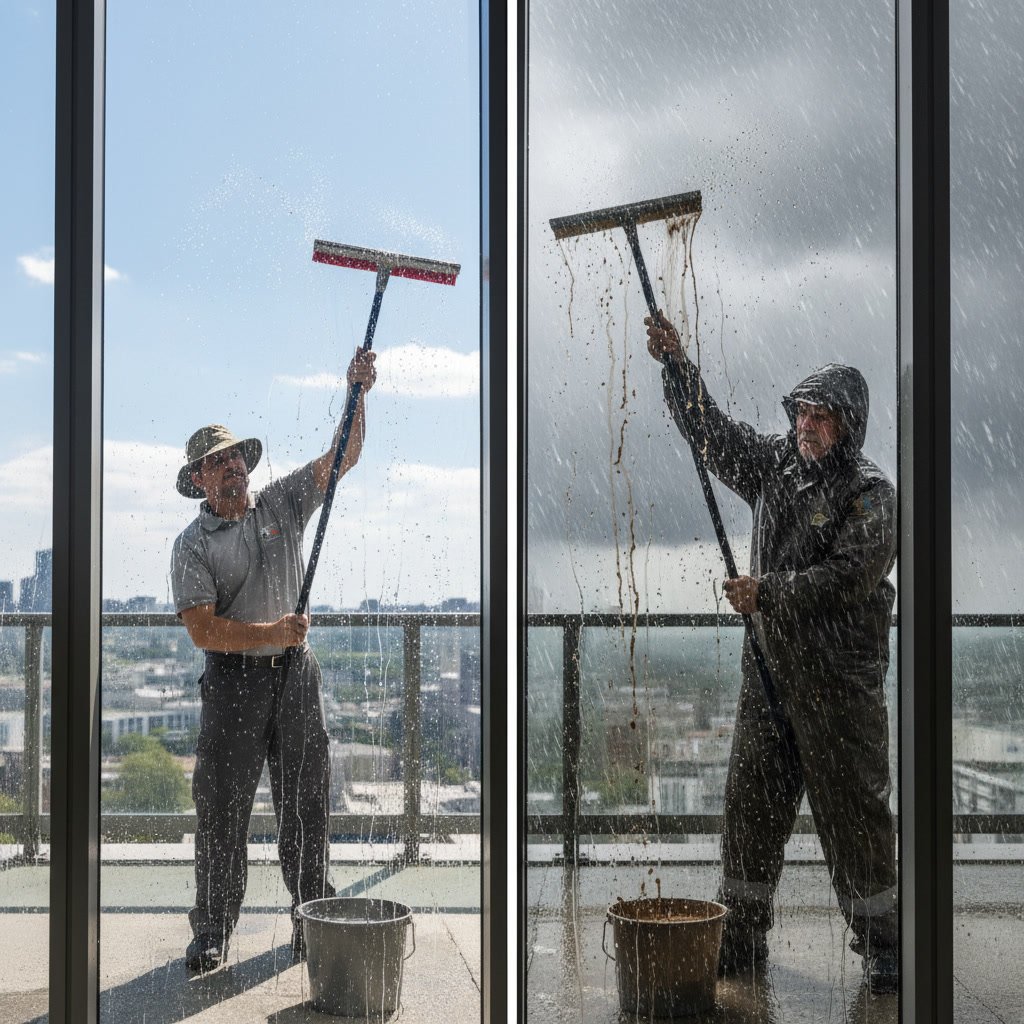
Professional cleaners adjust their approach based on current conditions. On hot, dry days, technicians may switch to smaller sections at a time, working quickly to prevent premature drying. They might also increase the water-to-solution ratio or add drying retardants.
Cool, humid conditions allow for larger sections and more detailed agitation of stubborn deposits. The extra working time means technicians can address problem areas without rushing.
Some services use different cleaning methods entirely based on weather. Soft wash applications for siding and other surfaces work best in mild conditions when solutions have time to break down organic growth before rinsing.
If you’ve noticed signs of buildup on your windows, timing your service around favorable weather will maximize the improvement you see.
Protecting Results After Service
Weather doesn’t stop affecting your windows once cleaning is complete. The 24 to 48 hours immediately following service represent a curing period when surfaces are most vulnerable to environmental damage.
During this time, avoid running sprinkler systems near windows and delay any yard work that might kick up dust. If your home uses gutter systems that have been neglected, debris can wash onto clean windows during the first rain.
Professional services often coordinate multiple exterior tasks on the same visit. Having gutters cleaned before windows, for example, prevents contaminated overflow from undoing fresh glass surfaces during the next storm.
Getting the Most From Your Investment
Professional window cleaning represents an investment in your home’s appearance and maintenance. Scheduling service during optimal weather conditions protects that investment by ensuring results last as long as possible between appointments.
The best approach combines seasonal planning with short-term weather awareness. Book service during favorable seasons, then confirm specific appointment dates based on the five-day forecast. Most professional companies will work with you to reschedule if conditions turn unfavorable.
Temperature between 50 and 75 degrees, moderate humidity, light wind, and no rain for 12 hours after service create the ideal window for exterior cleaning work. When all these factors align, you’ll see the difference in both immediate results and how long your windows stay clean.
Xterior Xpress Solutions monitors weather patterns across the Dallas-Fort Worth area to help homeowners schedule service when conditions support the best possible outcomes. Our team understands how North Texas weather affects every aspect of exterior maintenance, from windows and screens to fence staining and soft washing. If you’re ready to schedule your next service at the optimal time, call +19728768414 to discuss timing that works with both your schedule and the forecast.